- Email: chunarahitesh52@gmail.com
- Mobile: +91 8160725776
- 24 hours available for inquiry
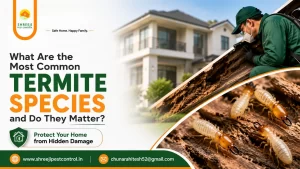
What Are the Most Common Termite Species and Do They Matter?
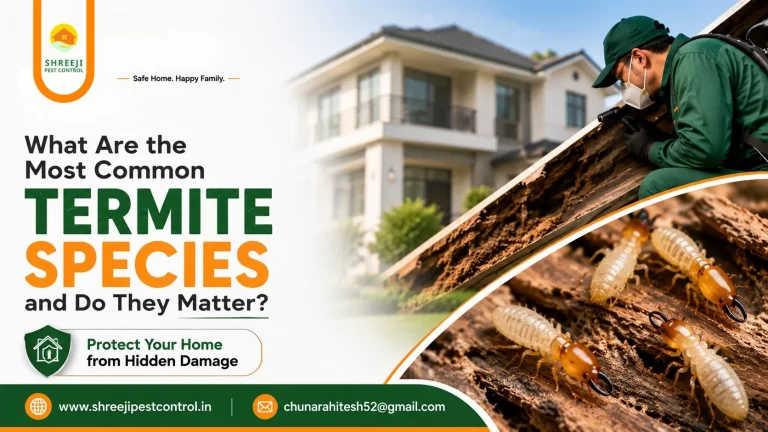
Termites are among the most destructive pests that can invade a home or commercial property. Often called “silent destroyers,” these tiny insects can cause extensive damage to wooden structures, furniture, doors, windows, and even building foundations before homeowners realize there is a problem.
One question many property owners ask is: Do different termite species really matter?
The answer is yes. Different termite species behave differently, live in different environments, and may require specific treatment approaches. Understanding the most common termite species can help homeowners recognize the risks and take timely action to protect their property.
In this blog, we’ll explore the most common termite species and explain why professional Termite Control Service is essential for long-term protection.
Why Understanding Termite Species Matters
Not all termites cause damage in the same way. Some live underground and attack structures from below, while others infest dry wood directly. Certain species spread faster than others and can remain hidden for years.
Knowing the type of termite infestation helps pest control professionals:
- Identify the source of the problem
- Choose the right treatment method
- Prevent future infestations
- Provide long-term protection
This is why a professional inspection is always recommended when termite activity is suspected.
1. Subterranean Termites
Subterranean termites are the most common and destructive termite species found in India.
Characteristics:
- Live underground in soil
- Build mud tubes to reach food sources
- Require moisture to survive
- Attack wooden structures from below
Common Signs:
- Mud tubes on walls
- Hollow-sounding wood
- Damaged wooden furniture
- Swollen doors and window frames
These termites often go unnoticed because they operate behind walls, beneath flooring, and inside structural wood.
In areas like Gandhinagar, where rapid construction and landscaping activities are common, subterranean termites are one of the biggest threats to residential and commercial properties.
2. Drywood Termites
Unlike subterranean termites, drywood termites do not require soil contact.
Characteristics:
- Live directly inside dry wood
- Infest furniture, doors, cabinets, and wooden fixtures
- Create colonies within wooden structures
Common Signs:
- Small piles of termite droppings
- Tiny holes in wood surfaces
- Cracked or damaged furniture
- Hollow wooden sounds
Drywood termites are particularly dangerous because they can remain hidden inside furniture for long periods without obvious external damage.
3. Dampwood Termites
Dampwood termites prefer moist and decaying wood.
Characteristics:
- Thrive in areas with high moisture
- Common near leaking pipes and damp walls
- Usually found in water-damaged wood
Common Signs:
- Damp wooden surfaces
- Visible termite activity in wet areas
- Decaying wooden structures
Although less common in urban homes, dampwood termites can become a problem where moisture issues are ignored.
Which Termite Species Causes the Most Damage?
Among all termite species, subterranean termites are generally responsible for the most severe structural damage.
Because they:
- Live underground
- Build large colonies
- Remain hidden for long periods
- Continuously feed on wood
A single colony can contain thousands of termites working around the clock.
By the time visible damage appears, significant structural deterioration may have already occurred.
How Termites Affect Your Property
Termites can damage:
- Wooden furniture
- Kitchen cabinets
- Wardrobes
- Doors and window frames
- Wooden flooring
- Office furniture
- Structural wooden supports
Many homeowners only notice the infestation when furniture starts weakening or wood begins crumbling.
The longer termites remain untreated, the more expensive repairs become.
Common Signs of a Termite Infestation
You should schedule a termite inspection if you notice:
Mud Tubes
Thin mud tunnels running along walls, foundations, or wooden surfaces.
Hollow Wood
Wood sounds hollow when tapped.
Discarded Wings
Winged termites often shed their wings near windows, doors, and light sources.
Cracked Paint
Termite activity behind walls may cause paint to bubble or crack.
Difficult-to-Open Doors and Windows
Termite damage can cause wooden frames to swell and distort.
Why DIY Termite Treatments Usually Fail
Many homeowners attempt to control termites using store-bought sprays. Unfortunately, these treatments rarely reach the actual termite colony.
DIY methods generally:
- Kill only visible termites
- Fail to eliminate underground colonies
- Provide temporary relief
- Do not prevent future infestations
Termites often continue damaging the property even after visible activity appears to stop.
Professional termite treatment targets the source of the infestation rather than just the symptoms.
Why Professional Termite Control Is Important
A professional termite control company has the expertise, equipment, and approved chemicals needed to eliminate termite colonies effectively.
Benefits of professional treatment include:
- Detailed property inspection
- Identification of termite species
- Advanced treatment methods
- Long-term protection
- Warranty-backed services
- Prevention of future infestations
At Shreeji Pest Control Termite Service, experienced technicians use government-approved chemicals and modern equipment to provide reliable termite protection for homes and businesses.
With over 5 years of experience, the company serves:
- Gandhinagar
- Kudasan
- Raysan
- Sargasan
- Nearby residential and commercial areas
The team also offers warranty-backed termite treatment solutions designed to protect your investment for years.
Do Different Termite Species Require Different Treatments?
Yes. Different termite species often require different treatment approaches.
For example:
- Subterranean termites typically require soil treatment and chemical barriers.
- Drywood termites may require direct wood treatment.
- Dampwood termites often require moisture control along with termite treatment.
This is why professional inspection and accurate identification are crucial before starting any treatment.
Final Thoughts
Understanding the most common termite species can help homeowners recognize potential threats before serious damage occurs. Whether the infestation involves subterranean termites, drywood termites, or dampwood termites, timely action is essential.
If you notice signs of termite activity, do not wait for the damage to spread. Early detection and professional treatment can save significant repair costs and protect your property.
For trusted Termite Control Service in Gandhinagar, contact Shreeji Pest Control for professional inspection, effective treatment, and long-term termite protection.
Contact Information
Call / WhatsApp: +91 8160725776
Service Areas: Gandhinagar, Kudasan, Raysan, Sargasan & nearby locations.
Make an appointment
With over a decade of experience, we offer reliable, affordable, and eco-conscious pest control solutions tailored to homes and commercial spaces..